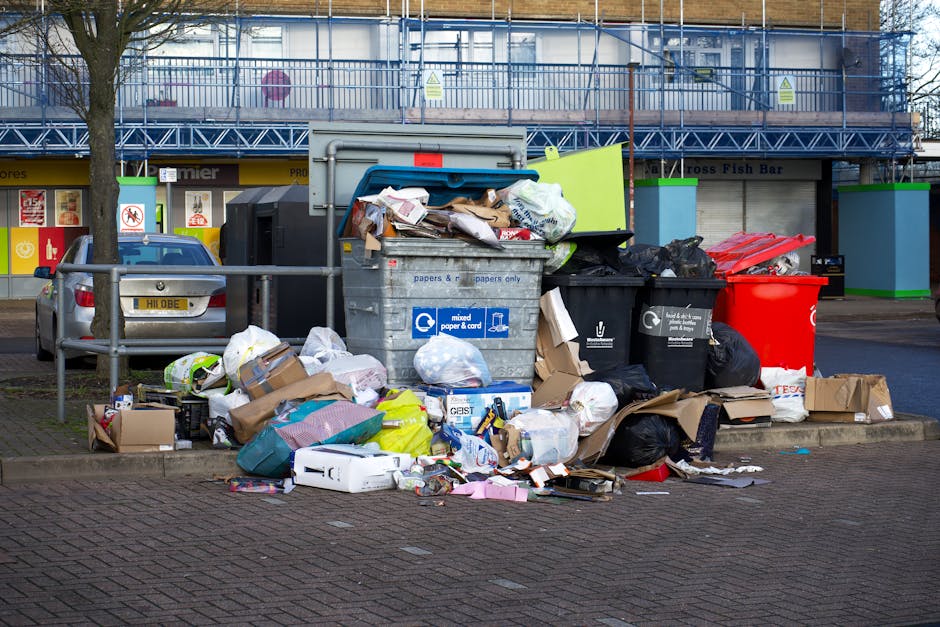
Waste Duty & House Clearance Laws for Keston Homeowners
If you own a home in Keston, house clearance can feel simple on the surface: empty a loft, clear a garage, move out an old sofa, and get on with life. But Waste Duty & House Clearance Laws for Keston Homeowners are where many people get caught out. The rules around waste transfer, duty of care, recycling, and what happens to items after collection are not just background details. They shape whether a clearance is legal, tidy, and genuinely responsible.
That matters whether you are clearing after a bereavement, preparing to sell, tidying up before a move, or dealing with bulky items that the council will not take in one go. In this guide, we break down the practical side of the law in plain English, with a Keston homeowner's perspective in mind. You will see what to check, what records to keep, how to avoid fly-tipping risks, and how to choose a clearance approach that protects you as well as the environment. Simple enough? In theory, yes. In practice, a little more care saves a lot of hassle.
Why Waste Duty & House Clearance Laws for Keston Homeowners Matters
House clearance is not just a van load of old stuff. Under UK waste rules, once you hand waste to someone else, you still need to think about where it goes and whether the person taking it is doing the right thing. That is the heart of the duty of care. If waste ends up dumped in a lane, tipped behind a shop, or abandoned in a layby, the homeowner who arranged the clearance can find themselves with awkward questions to answer. Nobody wants that call on a wet Tuesday afternoon.
For Keston homeowners, this becomes especially relevant because local roads, shared drives, narrow access points, and mixed household waste can all complicate a clearance. A garage clean-out might include broken furniture, paint tins, electricals, garden waste, and old paperwork all at once. Each item has its own handling concerns. The law does not require you to be a waste expert, but it does expect you to act responsibly and to choose people who handle waste properly.
There is also the reputational side. If you are selling a property, managing a family estate, or clearing a rented home, the last thing you want is a clearance that looks rushed or suspicious. A well-managed clearance shows care, reduces stress, and helps avoid last-minute delays. To be fair, most problems are preventable with a little checking before the first item leaves the front path.
If you are also coordinating a move, it can help to align clearance with the rest of the process. Services such as house removals, man and van support, or general removal services can sometimes make it easier to separate what is being kept from what is being discarded.
How Waste Duty & House Clearance Laws for Keston Homeowners Works
The simplest way to think about it is this: if waste leaves your property, you should be able to show that it was passed to someone who was allowed to take it, and that it was handled in a lawful way. That may sound obvious, but it is where many people slip up. A cheap clearance is not necessarily a lawful clearance. Likewise, a friendly chap with a van is not automatically the right person if they cannot explain disposal routes, recycling handling, or paperwork.
In practical terms, the process usually works like this:
- You identify what needs to go and separate it from items you want to keep, donate, or sell.
- You check whether any items need special handling, such as fridges, paint, batteries, mattresses, or electricals.
- You choose a clearance provider, mover, or van service that can explain how the waste will be taken away and processed.
- You ask for clear pricing and, where relevant, a record or receipt confirming the collection.
- You keep basic documentation in case you need to show you acted responsibly.
The legal principle behind this is straightforward. If you create or arrange waste, you should take reasonable steps to ensure it is transferred to an authorised carrier and disposed of properly. You do not need to monitor every mile of the journey, but you should avoid anyone who seems vague, cash-only, or unwilling to explain where your items are going. That kind of vagueness is a red flag, and usually for good reason.
There is a difference between clearance and dumping. A genuine clearance service should sort items for reuse, recycling, donation where appropriate, and lawful disposal only as a last step. Reputable operators often make this part of the process clear on their recycling and sustainability approach, and that is a useful sign that they understand the bigger picture rather than just the collection itself.
House clearance law also becomes more sensitive where the property belongs to an estate, a landlord, or someone acting on behalf of another person. In those cases, records matter even more. A quick photo before and after, item notes, and a written quote can all help if a question comes up later. Nothing fancy. Just sensible housekeeping.
Key Benefits and Practical Advantages
Following the correct waste duty process is not only about avoiding trouble. It also makes the whole clearance cleaner, faster, and less stressful. The benefits are more practical than people expect.
- Less legal risk: You reduce the chance of being linked to fly-tipping or improper disposal.
- Better pricing control: Clear waste categories help you understand what you are paying for.
- Faster decision-making: When items are sorted in advance, the job is less chaotic on the day.
- Improved recycling outcomes: Reusable and recyclable items are easier to separate before they are mixed together.
- Less emotional strain: This matters a lot in bereavement clearances or family home downsizing. Honestly, the emotional weight is real.
For Keston homeowners preparing a sale or letting a property, a lawful clearance can also prevent last-minute snagging. Estate agents and solicitors do not want bins, broken wardrobes, or black sacks left in the driveway. If you clear correctly, the home presents better and the next stage moves more smoothly. Small thing, big difference.
There is another benefit people overlook: a proper clearance often reveals items worth keeping or repurposing. A sturdy chair, a decent desk, or a serviceable appliance may not belong in the bin at all. If you are also moving home, it can help to pair clearance with home moves planning so you are not paying to move things you never meant to keep.
Who This Is For and When It Makes Sense
This topic matters to more people than you might think. It is not only for someone clearing an inherited property. In Keston, it can apply to a wide mix of situations:
- homeowners downsizing to a smaller property
- families clearing a house after a bereavement
- people preparing to list a home for sale
- landlords dealing with left-behind furniture or waste
- homeowners clearing lofts, garages, sheds, and gardens
- people doing a major declutter before renovation work
- households combining moving day and clearance day
It makes sense whenever the waste volume is bigger than a normal bin collection or the items are awkward, heavy, or mixed. It also makes sense when you do not have the time, vehicle, or physical capacity to sort and transport everything yourself. Let's face it, lugging a stained sofa down a narrow hallway is nobody's idea of a relaxing weekend.
If you are only removing one or two items, a smaller collection route might be enough. If you are emptying an entire property, a fuller clearance plan is usually better. In some cases, a service such as furniture pick-up can handle bulkier reusable items separately, while the rest is cleared through a more general collection. That split can be kinder to both your wallet and the planet.
Step-by-Step Guidance
If you want to keep the process compliant and calm, follow a simple sequence. No drama. No panic sorting at the kerbside five minutes before collection.
- Walk through the property room by room. List what needs to go and what must stay.
- Separate waste types. Keep electrical items, batteries, paints, sharp objects, and bulky furniture apart where possible.
- Identify anything sensitive. Paperwork, personal documents, keys, bank letters, and photos may need secure handling before clearance.
- Ask for a written quote. Make sure the quote explains whether loading, transport, labour, disposal, and recycling are included.
- Check how the provider handles waste. Ask what happens to reusable items, mixed waste, and special items.
- Confirm insurance and safety expectations. Good providers should be able to explain this clearly, not dance around it.
- Keep proof. Save the quote, invoice, and any relevant messages or collection notes.
- Inspect after the job. Check that nothing important has been taken and that the property is left tidy.
A practical tip: take photos before the clearance starts. That sounds a bit formal, but it can be very useful if you need to verify what was removed, especially where the house contains inherited goods or items shared between family members.
If the clearance is tied to a move, a trusted crew offering man with van removal or removals near me style support can sometimes help with both transport and clearance coordination. The key is still the same: make sure the waste side is handled properly, not just quickly.
Expert Tips for Better Results
Here is where a little experience saves a lot of faff.
- Do a two-pile sort: keep and clear. Then make a third small pile for items you are unsure about. Decision fatigue is real.
- Handle paperwork first: anything personal should be removed before the clearance team arrives.
- Watch for mixed loads: a van full of mixed waste is fine only if the carrier knows how to separate and process it properly.
- Ask about access: in Keston, tight drives, steps, and parking restrictions can change the quote and the time needed.
- Use a written trail: emails and invoices are boring, yes, but very helpful if there is ever a query.
- Be clear about what is not waste: family heirlooms and valuables should be physically set aside before any loading begins.
Another quiet win is timing. If you can schedule the clearance before the final rush of a move or sale, the whole job feels lighter. The house is less cluttered, the decisions are easier, and there is less chance of accidental disposal. Mid-morning collections also tend to feel calmer than a late-afternoon scramble, when everyone is hot, tired, and slightly cross. Been there, regretted that.
For larger or more complex properties, it can be useful to speak with a provider that also offers packing and unpacking services or broader removal company support. Even if you do not use every service, the conversation often reveals whether they understand careful handling, access planning, and waste separation.
Common Mistakes to Avoid
Most clearance problems come from rushing. A bit of chaos, a low price, and a promise that "it'll all go" can sound appealing. Usually, that is where the trouble starts.
- Using an unverified carrier: if they cannot explain how waste is handled, walk away.
- Assuming everything can go together: some items need special treatment and cannot simply be chucked in with general rubbish.
- Not keeping records: if you do not save the invoice or quote, you lose useful proof of what was agreed.
- Leaving valuables mixed in with rubbish: old books, jewellery, documents, or cash can get overlooked in a hurry.
- Forgetting access issues: blocked drives or poor parking plans can turn a simple job into an awkward one.
- Choosing purely on price: cheap can become expensive if the clearance is incomplete, delayed, or handled badly.
One common issue is the "we'll sort it later" approach. If a provider seems vague about sorting, recycling, or disposal records, that is not confidence-inspiring. Ask the questions up front. A good company will not mind. In fact, they should welcome it.
Another mistake is underestimating sentimental clutter. Families often think they only need to clear furniture, then realise there are old letters, ornaments, spare keys, and decades of attic bits tucked away in boxes. Give yourself enough time to check properly. You will thank yourself later.
Tools, Resources and Recommendations
You do not need specialist software or fancy systems to manage a house clearance well. A few simple tools do most of the work:
- a notebook or phone note for room-by-room lists
- bin bags or boxes for separating keepsakes, recycling, and waste
- labels or tape for marking "keep", "clear", and "unsure"
- a camera for basic before-and-after photos
- email or text records of quotes and collection details
For service planning, it can help to compare how different providers present themselves. Some are more suited to straightforward clearance; others are better for moving plus clearance combined. If you are dealing with a larger household move, browse options like man and van removals, movers, or a local removal company to see what level of support fits your situation.
One useful recommendation is to ask for a clear breakdown of what is included before anything is collected. Not because people are trying to be difficult, but because mixed jobs often hide small costs or misunderstandings. A simple note about labour, loading, recycling, and disposal saves headaches later.
Law, Compliance, Standards, and Best Practice
For homeowners, the main idea is duty of care. In plain English, that means you should take reasonable steps to make sure your waste goes to someone authorised to carry and dispose of it properly. If you hand waste to an unlicensed or careless operator and it is later dumped illegally, you may be asked how you chose them and what checks you made.
House clearance best practice usually includes the following:
- checking the provider's identity and contact details
- getting a quote or written agreement
- keeping records of what was collected
- separating hazardous or special items
- choosing reuse and recycling where suitable
- avoiding any arrangement that feels rushed, cash-only, or unclear
There are also practical safety expectations. Heavy lifting, glass, sharp edges, mouldy materials, and awkward furniture can all create risk during clearance. If the job looks physically demanding, a provider with proper safety awareness is worth far more than one that simply turns up with muscle and good intentions. That sounds obvious, but the obvious stuff is often the stuff people skip.
If you want to understand how a provider approaches risk and handling more broadly, it is sensible to review pages such as health and safety policy, insurance and safety information, and terms and conditions. These do not replace your own judgement, but they do give you useful signals about professionalism.
Best practice also means being cautious with special waste. Paint, solvents, old electronics, fridges, and items that may contain fluids or sharp components should not be treated casually. If in doubt, ask before collection. No need for anxiety, just awareness.
Options, Methods, and Comparison Table
There is more than one way to clear a property, and the right route depends on the amount of waste, the type of items, and how much time you have.
| Method | Best for | Pros | Watch-outs |
|---|---|---|---|
| Self-clearance | Small volumes and straightforward items | Full control, can be low cost | Time-consuming, vehicle limits, disposal rules can be tricky |
| Bulk item collection | Single furniture items or a few large pieces | Simple and quick | Not ideal for full house clearances or mixed waste |
| Full house clearance service | Bereavement, downsizing, sale prep, whole-property clear outs | Efficient, less physical strain, usually better for mixed loads | Requires careful checking of compliance and inclusions |
| Move-and-clear combined service | People relocating and discarding items at the same time | Good coordination, fewer trips | Needs strong planning so keep items do not get mixed with waste |
There is no universal winner. A small declutter might suit a direct van load, while an emptying of a family home after years of accumulation is usually better handled as a structured clearance. If you are in two minds, ask for an assessment before committing. That small step can save a lot of over-ordering or under-planning.
In some situations, using a provider that can supply the right vehicle and manpower matters just as much as the clearance itself. Pages like moving van options, removal van support, or moving truck services may be relevant if the job combines transport, lifting, and clearance.
Case Study or Real-World Example
Here is a realistic example. A Keston homeowner is preparing to sell a semi-detached property after moving a parent into care. The house contains a mix of usable furniture, damaged wardrobes, garden waste, a few old electrical items, and several boxes of papers. At first glance, it feels like one giant job. It rarely feels tidy at the start, does it?
The homeowner starts by walking through each room and separating three categories: keep, clear, and maybe. Items with emotional value are put aside first. Personal documents are removed and stored safely. A few chairs and a table are identified as reusable, while the broken wardrobes and mixed rubbish are marked for clearance.
Next, they request a written quote and ask specifically how the provider handles recycling and disposal. They also check safety and insurance details before confirming. On collection day, the team loads the reusable items separately from the waste, and the homeowner keeps the invoice and notes. The property is left presentable, which helps the estate agent schedule photos without delay.
What made this work was not luck. It was the ordering of the tasks. Sort first, clarify second, remove third. Simple enough, but that sequence stops the whole thing from becoming a muddle. And that is often the real battle in a house clearance.
Practical Checklist
Use this checklist before any clearance begins.
- Separate items you want to keep from items to be cleared.
- Remove passports, letters, keys, cash, and important documents.
- Identify anything that may need special handling.
- Take photos of the property and the items being removed.
- Ask for a written quote and confirm what is included.
- Check that the provider can explain disposal and recycling handling.
- Confirm access, parking, and any stair or lift issues.
- Keep copies of invoices, messages, and collection notes.
- Inspect the property after the work is done.
- Arrange follow-up cleaning or repair only after the clearance is finished.
Expert summary: the safest house clearance is the one that is planned before anyone starts lifting. If the provider is clear, the paperwork is clear, and the waste trail is clear, you are already ahead.
If you are coordinating a bigger move at the same time, it can be worth reviewing about the company and how they approach customer care, because trust and communication matter as much as the vehicle size. A respectful crew can turn a stressful day into a manageable one. That counts for a lot.
Get a free quote today and see how much you can save.
Conclusion
Waste Duty & House Clearance Laws for Keston Homeowners are really about one practical idea: if you are clearing waste from your home, do it in a way you can stand behind. Check who is taking the items, understand what happens next, keep a record, and do not let a bargain price distract you from basic compliance.
Handled properly, house clearance becomes much less stressful. The home feels lighter, the decisions feel clearer, and you avoid that uneasy feeling that something was left to chance. Whether you are clearing one room or a whole property, a steady approach beats a rushed one almost every time. And once the dust settles, it is a good feeling - quiet, but real.
Frequently Asked Questions
What are the main waste duty rules for Keston homeowners?
The main rule is that you should take reasonable steps to ensure your waste is transferred to someone authorised to carry and dispose of it properly. Keep records and avoid unclear operators.
Do I need paperwork for a house clearance?
It is wise to keep a written quote, invoice, and any collection notes or messages. You do not need mountains of paperwork, but basic proof is helpful if questions arise later.
Can I leave all my waste in one pile for collection?
Sometimes yes, but separating reusable items, general waste, and special items usually makes the job safer, clearer, and more compliant.
What happens if a clearance company fly-tips my waste?
You may be asked what checks you made before using them. That is why choosing a reputable provider and keeping records matters so much.
Are furniture and bulky items treated differently?
Often, yes. Large items may be suitable for reuse, special collection, or separate handling. Furniture that can be repurposed should not be treated as waste too quickly.
Is a cheap house clearance a bad idea?
Not always, but very low quotes can hide missing services, poor sorting, or weak compliance. If a price seems too good to be true, ask more questions.
What items need special care during house clearance?
Electricals, batteries, paint, solvents, fridges, sharp items, and anything with confidential information should be handled carefully and not mixed casually with general waste.
How do I prepare a property for clearance after a bereavement?
Start by removing personal documents and keepsakes, then sort room by room into keep, clear, and maybe piles. It is often best to go a little slower than you think you need to.
Can house clearance be combined with a move?
Yes, and often that is the most practical option. Coordinating clearance with moving services can reduce trips, avoid duplicate lifting, and make it easier to separate what stays from what goes.
What should I ask a clearance provider before booking?
Ask how waste is disposed of, whether recycling is included, what is in the price, how access will be managed, and whether they can provide proof of collection or disposal if needed.
Do I need to be present during the clearance?
Usually it is best if you are, at least at the start and end, so you can confirm what is being removed and check the property afterwards. If that is not possible, make very clear instructions.
What is the safest first step if I feel overwhelmed?
Start with a single room and remove only the obvious keep items first. Once the clutter drops a little, the rest becomes easier. That first step really does change the mood of the whole job.