Bromley Council Parking & Street Closure Rules for Keston
Posted on 12/07/2026
Bromley Council Parking & Street Closure Rules for Keston: A Practical Local Guide
If you are planning a move, a delivery, or even a short access job in the village, Bromley Council Parking & Street Closure Rules for Keston can make the difference between a smooth day and a very awkward one. Keston looks quiet on paper, but road width, permit timing, bay restrictions, and temporary closures can catch people out fast. One van parked a little too long, one missed restriction, and suddenly the whole schedule starts sliding. Not ideal, to put it mildly.
This guide breaks the topic down in plain English. You will get a practical overview of how local parking controls and street closure arrangements usually work, what they mean for removals or bulky items, and how to reduce the risk of fines, delays, and neighbour frustration. We will also look at planning tips, common mistakes, and the kind of small details that matter most on a moving day in Keston.
For a broader view of local moving preparation, it can also help to read this guide to Bromley Council moving permits in Keston and the practical note on parking, access and timing in BR2 removals.
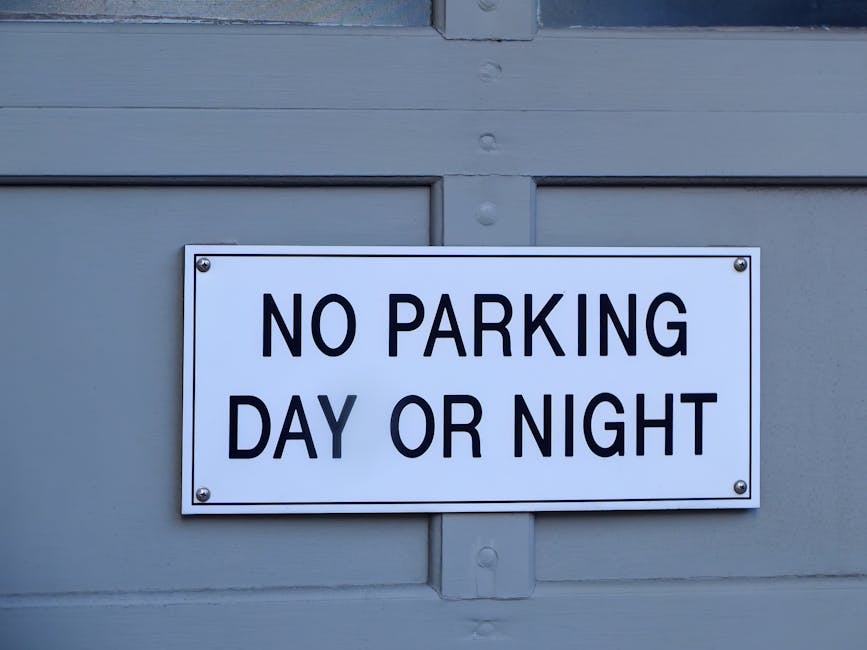
Why Bromley Council Parking & Street Closure Rules for Keston Matters
Keston is the sort of place where local rules feel small until they are not. A van may need to stop close to a property, loading space may be limited, and some streets are simply not built for modern vehicle sizes. If you are moving furniture, handling a flat clearance, or arranging an office relocation, parking and access are not side issues. They are central to the job.
Why does this matter so much? Because parking restrictions and road closures affect three things at once: legality, timing, and safety. If a van is in the wrong place, it can interrupt traffic, block neighbours, or lead to a penalty. If a road is temporarily closed for works or an event, your route may need to change completely. And if the vehicle cannot get near the door, every item has to be carried further. That sounds simple. It is not. The extra distance adds time, effort, and risk.
There is also the neighbour factor. In a quiet residential area, people notice when a big vehicle appears, doors are open, and trolleys are rolling across the pavement. A little planning keeps things calm. A lot of planning keeps things civil. Truth be told, that matters just as much as the paperwork.
If you are preparing a full household move, the advice in moving near Keston Common and best local van routes for Keston Park moves can help you see how local access changes from one street to the next.
How Bromley Council Parking & Street Closure Rules for Keston Works
In practical terms, the process usually comes down to two separate questions. First: can the vehicle stop where you need it to stop? Second: is the road or section of road affected by a temporary closure, waiting restriction, permit zone, or traffic management arrangement?
For parking, the issue is often not just whether a space exists. It is whether the space is legally available for the time you need it. Loading may be allowed in some places, but not in others. Double yellow lines, single yellow lines, permit bays, timed restrictions, and event controls all need checking. Keston's roads can change character quickly too, especially where village streets narrow or where traffic builds around popular local routes.
Street closures are a separate layer. These can happen for planned works, utility access, emergencies, community events, or other short-term reasons. A closure may apply to a whole road, one end of a road, or a section with managed access only. In real life, that means a van may need to approach from a different direction, wait for a marshal, or use a different unloading point. Sometimes the back route is fine. Sometimes it is a dead end. That is the bit people miss.
For removals, the key is usually timing. A move that starts at 8:00 a.m. may be much easier than one beginning when residents have already filled every available space. Likewise, a permit or access arrangement that is fine mid-morning can become awkward near school run times, commuter peaks, or when street cleaning schedules are active. Not glamorous, but very real.
Where a property has limited access, smaller vehicle options can help. A careful man and van setup may be more manageable than a larger lorry, and in some cases a staged transfer is the sensible route. If you are weighing that up, the local pages on man and van Keston and removal van Keston are useful context.
Key Benefits and Practical Advantages
Getting the parking and closure side right is not just about avoiding trouble. It has practical benefits that are easy to feel on the day.
- Shorter loading times: a closer parking position means fewer unnecessary trips.
- Lower risk of damage: shorter carries reduce the chance of bumped walls, scuffed furniture, or dropped boxes.
- Less stress: when access is sorted, the whole move feels more controlled.
- Better neighbour relations: considerate positioning reduces complaints and confusion.
- Cleaner scheduling: you can plan helpers, keys, lifts, and vehicle arrival with more confidence.
There is also a hidden benefit: better decision-making. Once you understand the restrictions, you stop guessing. You can choose whether to use a larger van, whether to split the load, whether to start earlier, or whether to book a service with more local access experience. That sounds modest. It is not. It saves mistakes before they happen.
For example, if you are moving bulky pieces such as wardrobes, sofas, or appliances, a short, predictable carry is a major advantage. It pairs well with thoughtful prep like decluttering and organised packing. If that is on your to-do list, you may find efficient decluttering tips and packing effectively when moving especially helpful.
Who This Is For and When It Makes Sense
This topic matters to a wider group than many people expect. It is not only for large-scale house moves. In Keston, parking and closure awareness is useful for all sorts of jobs.
- Home movers: especially if you are moving from or into a narrow street, shared drive, or terrace-style property.
- Flat movers: where stair access, block parking, and shared bays can complicate arrival.
- Students: if a quick move is happening around term dates and parking is already competitive.
- Office or business relocations: where vehicle access affects staff, stock, and opening hours.
- Single-item deliveries: such as a piano, bed, freezer, or large sofa.
- Same-day or urgent moves: when there is less room for error and less time to reshuffle plans.
It also makes sense whenever the move involves fragility or heavy lifting. A piano, for example, is not something you want to carry half a street because the van could not legally stop nearby. That is exactly why specialist help exists. The local guide on piano removals in Keston and the article on professional help for piano moving both highlight the same practical truth: access planning protects the item and the people moving it.
Step-by-Step Guidance
If you want a simple way to handle Bromley Council parking and street closure issues in Keston, work through the process in this order.
- Check the property access first. Measure the route from the van stopping point to the doorway, noting tight gates, low branches, steps, kerbs, and shared pathways.
- Identify restrictions on the street. Look for signs, markings, permit bays, yellow lines, loading guidance, and any time-based limits. If the street is already tight, do not assume a quick stop will be okay.
- Ask whether a temporary arrangement is needed. For some jobs, a planned parking suspension or traffic control arrangement may be required. For others, a careful loading plan is enough. The difference matters.
- Check for closures or works. Even a short closure can affect access. A diversion that looks minor on a map can add several minutes in a narrow local road network.
- Choose the right vehicle size. Larger is not always better. In Keston, a smaller vehicle with better manoeuvrability can sometimes save more time than a bigger van that struggles to park.
- Build the loading order around the access. Put the heaviest and most awkward items near the exit plan. This avoids chaos at the door. Chaos is expensive. And noisy.
- Brief everyone involved. Helpers should know where to park, where to wait, and who is handling keys or access. A five-minute briefing saves twenty minutes of confusion.
- Leave space for the unexpected. Weather, neighbours, delivery vehicles, and school traffic can all affect the day. A buffer is not wasted time; it is breathing room.
If your move involves carrying items out of a flat or a property with tight internal access, the guides on flat removals in Keston and narrow lanes and tight access in Keston are especially relevant.
Expert Tips for Better Results
Here is where the small details really start paying off.
Start earlier than you think. Not ridiculously early, just sensibly early. A calm arrival gives you time to assess parking, speak to neighbours if needed, and adjust if there is a parked car in the wrong place. Mid-morning light usually helps too; you can spot low walls, kerbs, and tight corners more easily.
Use lighter items as buffers. Boxes, bedding, and smaller soft goods can be carried quickly if a van cannot stop directly outside the door. That is where good packing pays off. A neat stack of boxes, especially when tied to room labels, keeps the whole process flowing. There is a good practical piece on packing and boxes in Keston.
Keep the path clear. It sounds obvious, but people often forget the porch, hallway, or front step. A single shoe rack or planter in the wrong spot can slow down a two-person carry. Happens all the time.
Protect the items that suffer most on longer carries. Sofas, bed frames, freezers, and heavy furniture get more wear when the walking distance increases. If you are storing or moving such items, the guides on sofa storage tips, bed and mattress moving, and safeguarding your freezer when not in use are worth a look.
Think about the return journey too. If the van must leave and come back, or if multiple trips are needed, parking conditions later in the day may be different from when you started. In residential Keston streets, that difference can be surprisingly important.
Have a plan for heavy lifting. Not every situation can be done by brute force, and frankly, it should not be. Safe lifting methods, dollies, sliders, and team coordination all matter. If you want the basics laid out clearly, see kinetic lifting 101 and how to conquer heavy lifting tasks on your own.

Common Mistakes to Avoid
Most problems in local moves are not dramatic. They are small, avoidable oversights that add up.
- Assuming loading is always allowed: a road that looks convenient may still be restricted.
- Not checking temporary closures: one short closure can throw off a whole schedule.
- Choosing the wrong van size: too big and you cannot park; too small and you need extra trips.
- Forgetting the carry distance: if the van stops further away, the manpower needed changes immediately.
- Overloading the first run: too many heavy items in one go can slow everything down and increase risk.
- Not telling neighbours or building management: the lack of notice can create friction for no good reason.
- Leaving parking decisions until the last minute: that is where stress tends to breed.
One of the more common Keston issues is underestimating road width. A street can look manageable until a van, another parked car, and a wheelie bin all try to exist in the same small patch of tarmac. It is funny for about two seconds, and then not funny at all.
Another common mistake is planning around the ideal day rather than the real one. The real one includes rain, a delayed key handover, or a neighbour's car that has not moved. A good plan absorbs those little surprises instead of collapsing under them.
Tools, Resources and Recommendations
You do not need a huge toolkit to deal with local parking and access, but a few items make the day better.
- Measuring tape: helpful for checking gateways, hallways, and awkward furniture clearances.
- Labels and marker pens: useful for keeping boxes organised when loading order matters.
- Protective blankets and wrapping: especially for furniture, appliances, and fragile finishes.
- Gloves and suitable footwear: basic, but easy to overlook when rushing.
- Phone notes or a printed access plan: parking instructions are easier to follow when they are written down.
In terms of planning resources, a good starting point is the broader moving advice on services overview, because access requirements often shape the service you actually need. You may also want to compare the support available through man with a van Keston, house removals Keston, and office removals Keston depending on the size and type of job.
If you are trying to stay on top of budget and timing, the notes on pricing and quotes and same day removals in Keston may also be useful. Different access challenges can change cost and availability, so it helps to ask early rather than guess late.
Law, Compliance, Standards, or Best Practice
This is the part that people often skip, then regret later. You do not need to become a traffic law expert, but you do need to respect the practical rules that govern parking, loading, obstruction, and temporary road management. In the UK, the core idea is simple: do not block roads, ignore restrictions, or create avoidable hazards. That sounds obvious. Yet every moving season, someone does exactly that.
For Keston, best practice means checking any local restriction before the van arrives, allowing time for access decisions, and using a method that keeps pedestrians, residents, and vehicles safe. If a street closure is in place, do not try to work around it casually. If a parking restriction is active, do not assume a short stop is harmless. The right answer is usually the boring one: plan ahead, follow the control in place, and keep a small buffer in the schedule.
From an operational point of view, good practice also includes the following:
- Use the smallest practical vehicle for the access available.
- Keep walkways and entrances clear.
- Maintain safe lifting habits even when under time pressure.
- Avoid blocking driveways, busier junctions, and shared access routes.
- Communicate with residents or property managers where relevant.
If you are choosing a provider, check whether they can show a sensible approach to safety and claims handling. The pages on insurance and safety, health and safety policy, and terms and conditions are the sort of things a careful customer should review. It is not exciting reading, I know. Still worth it.
Options, Methods, or Comparison Table
There is more than one way to handle a Keston move or delivery, and the right choice depends on access, time, and what you are moving.
| Approach | Best For | Strengths | Trade-offs |
|---|---|---|---|
| Small van with careful loading | Narrow streets, short carries, lighter loads | Easier to park, often more flexible | May require more trips if the load is large |
| Larger removal van | Bigger household moves with space nearby | Can carry more in one go | Harder to manoeuvre in tight streets |
| Staged move | Complex access or timed closures | Reduces pressure and keeps control | Needs better coordination and more time |
| Specialist handling for heavy items | Pianos, safes, awkward furniture | Safer for item and property | Costs more and needs planning |
The short version? If parking is tight, flexibility usually wins. If the street is open and the load is substantial, a larger van may be fine. If closures or restrictions are involved, staged planning is often the calmest route. Calm wins. Almost always.
Case Study or Real-World Example
Here is a realistic Keston-style scenario. A family is moving out of a terraced property on a road where parking is limited and the best stopping point is not directly outside the front door. They have sofas, a bed, boxes from a home office, and a freezer that needs careful handling. On top of that, there is a short-term road restriction nearby, so the vehicle cannot simply arrive and idle for half an hour while everyone searches for keys.
What worked well was not luck. It was sequencing. The movers checked the access first, decided a smaller vehicle would be easier to place, and split the loading so the heaviest items went out in the first efficient run. The family labelled boxes by room, kept the hallway clear, and left a parking buffer for the van. That reduced the carry distance, avoided blocking neighbours, and kept the whole job moving. There was still a bit of waiting, because real life. But the day stayed manageable.
If the furniture had been wrapped poorly, or if the freezer had been left until the end, the move would have felt much messier. Instead, the team could work methodically. For a move like that, the supportive guides on stress-free move-out cleaning, transforming moving chaos into order, and spotting hidden moving extras all fit naturally with the same planning mindset.
Practical Checklist
Use this checklist before moving day or before any vehicle access job in Keston.
- Confirm the exact property address and access point.
- Check nearby parking restrictions and road controls.
- Look for any temporary street closures, works, or access limits.
- Measure the carry distance from vehicle to doorway.
- Decide whether the vehicle size is suitable for the street.
- Prepare box labels and item groupings in advance.
- Protect large items with wrapping, blankets, or covers.
- Clear the hallway, driveway, and entrance path.
- Tell anyone involved where to park and where to wait.
- Build in extra time for local traffic or changes in conditions.
- Check whether specialist handling is needed for heavy or delicate items.
- Keep contact details and access notes ready on the day.
Quick practical summary: the more constrained the street, the more valuable planning becomes. If you know where the van can stop, where it cannot, and how long the carry will take, you remove most of the stress before it starts.
Conclusion
Bromley Council Parking & Street Closure Rules for Keston matter because they shape the one thing people often underestimate: the rhythm of the day. A move is not only about boxes and vehicles. It is about access, timing, safety, and keeping a clear head while all of that is happening at once.
If you get the parking side right, everything else gets easier. Loading becomes smoother, heavy items are safer to move, neighbours are less likely to be inconvenienced, and you spend less time improvising. That is a good trade, every time.
And if the situation feels complicated, that is normal. Keston roads can be charming, narrow, and a bit fiddly all in the same breath. A thoughtful plan will usually beat a hurried one, and a calm start often sets the tone for the whole day.
Get a free quote today and see how much you can save.